
Did you know that organic search drives over 53% of all website traffic? That means more than half of all the people visiting websites get there through a search engine — not ads, not social media, but search. If your business is not showing up on Google, you are missing out on a massive opportunity.
In this guide, you will learn exactly what SEO is, how it works, why it matters, and what steps you can take today to grow your online presence. Whether you are a business owner, a marketer, or just getting started, this article gives you a clear, practical understanding of SEO in digital marketing.
What Is SEO in Digital Marketing?
SEO stands for Search Engine Optimization. It is the process of improving your website so that it appears higher in search engine results pages (SERPs) — like Google, Bing, or Yahoo — when people search for topics related to your business.
In simple terms, SEO helps your website get found by the right people at the right time, without paying for ads. When someone searches for a product or service you offer, good SEO puts your website right in front of them.
SEO is a core part of digital marketing. It works alongside content marketing, social media, email campaigns, and paid advertising to build a strong online presence.
SEO vs. Paid Advertising — What Is the Difference?
Many businesses confuse SEO with paid ads (also called PPC or SEM). Here is the key difference:
• Paid ads give you instant visibility — but only as long as you keep paying.
• SEO builds long-term visibility — and keeps delivering results even after you stop actively working on it.
Think of paid ads as renting space on Google, and SEO as owning that space. Smart businesses use both, but SEO is the foundation that makes everything else more effective.
SEO as Part of Your Digital Marketing Strategy
SEO in digital marketing is not a standalone activity. It connects directly with your content strategy, your social media presence, your website design, and even your reputation online. A strong SEO and digital marketing strategy means all these channels work together to attract, engage, and convert your target audience.
How SEO Works in Digital Marketing
Understanding how SEO works in digital marketing is easier when you break it into simple steps. Here is what happens behind the scenes:
Step 1 — Crawling
Search engines use automated programs called "crawlers" or "bots" to browse the internet. These bots visit your website and read all of your content, links, and code.
Step 2 — Indexing
After crawling, Google stores the information about your site in its index — a massive database of web pages. If your page is indexed, it is eligible to appear in search results.
Step 3 — Ranking
When someone performs a search, Google uses over 200 ranking signals to decide which pages to show and in what order. These signals include the relevance of your content, the quality of your website, and how many other websites link to yours.
Key Ranking Factors You Need to Know
• Keyword relevance — does your content match what the user is searching for?
• Page speed — does your website load quickly on mobile and desktop?
• Backlinks — do trusted websites link to your content?
• User experience — is your site easy to navigate and read?
• E-E-A-T signals — Experience, Expertise, Authoritativeness, and Trustworthiness
If you want expert help with this process, working with an experienced SEO agency in Dubai can save you months of trial and error.
Types of SEO in Digital Marketing
SEO is not a single task — it is a collection of strategies that work together. Here are the four main types you need to understand:
1. On-Page SEO
On-page SEO refers to everything you do on your website to improve its ranking. This includes:
• Writing high-quality, keyword-rich content
• Optimizing title tags, meta descriptions, and headings
• Using internal links to connect related pages
• Improving URL structure
2. Off-Page SEO
Off-page SEO focuses on actions taken outside of your website to build its authority. The most important off-page factor is backlinks — links from other websites pointing to yours. When reputable sites link to you, Google sees your site as trustworthy and relevant.
3. Technical SEO
Technical SEO ensures that search engines can crawl and index your site efficiently. It covers:
• Site speed and Core Web Vitals
• Mobile-first optimization
• Secure HTTPS connection
• XML sitemaps and structured data (schema markup)
4. Local SEO
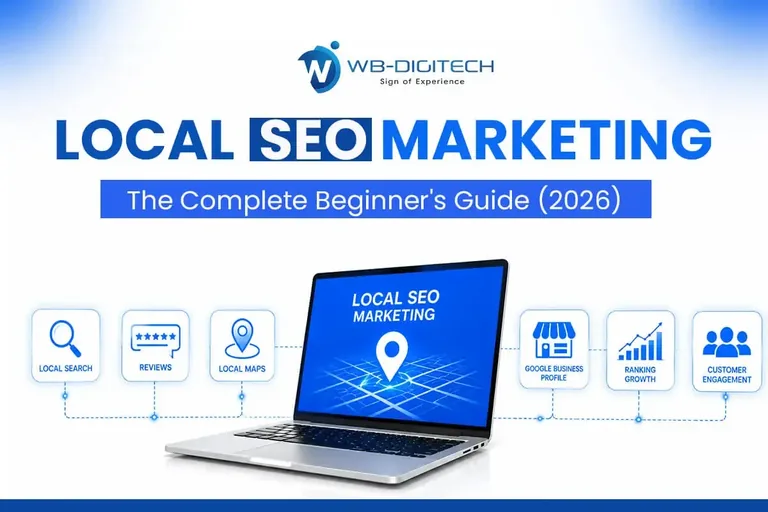
Local SEO helps businesses appear in location-based searches. For example, if someone in Dubai searches for "best digital marketing agency near me," local SEO determines whether your business shows up. It involves optimizing your Google Business Profile, collecting reviews, and using local keywords.
A professional digital marketing agency in Dubai can handle all four types of SEO for your business, so you do not have to juggle them yourself.
Benefits of SEO in Digital Marketing
Investing in SEO delivers some of the most measurable and long-lasting results in digital marketing. Here are the top benefits:
1. More Organic Traffic
The higher you rank, the more clicks you get. Studies show that the first result on Google gets about 27% of all clicks. SEO moves you toward that top position — and keeps you there.
2. Better Return on Investment (ROI)
Unlike paid ads, organic traffic does not stop the moment your budget runs out. SEO compounds over time, meaning the work you do today continues to bring results months and even years later.
3. Stronger Brand Credibility
People trust Google. When your website appears at the top of search results, users automatically perceive your brand as more credible and trustworthy. This is especially important for new businesses trying to build their reputation.
4. Higher-Quality Leads
SEO attracts high-intent visitors — people who are actively searching for what you offer. This means they are much more likely to convert into paying customers compared to passive social media audiences.
5. Improved User Experience
Good SEO requires a fast, mobile-friendly, well-structured website. These improvements benefit not just your rankings but also every visitor who lands on your site — leading to lower bounce rates and more conversions.
LSI Keywords That Support Your SEO Strategy
To strengthen your semantic SEO, you should also incorporate related terms naturally in your content:
• Search engine ranking factors
• Organic search traffic
• Website authority and backlinks
• Online visibility and SERP positioning
E-E-A-T — Why Google Cares About Who You Are
Google's quality guidelines place enormous importance on E-E-A-T: Experience, Expertise, Authoritativeness, and Trustworthiness. Here is what each means for your SEO strategy:
Experience
Google now rewards content written by people with real, firsthand experience. If you write about digital marketing, have you actually run campaigns? Sharing personal results, case studies, and practical examples signals genuine experience to both users and search engines.
Expertise
Your content should demonstrate deep knowledge of the subject. This means going beyond surface-level explanations and providing accurate, well-researched information that genuinely helps the reader.
Authoritativeness
Authority comes from your reputation within your industry. Getting mentioned in industry publications, earning high-quality backlinks, and having other experts reference your work all build your site's authority over time.
Trustworthiness
Trust is the foundation of everything. Google looks for secure websites (HTTPS), transparent authorship, clear contact information, and honest, accurate content. Partnering with a reputable seo digital marketing company Dubai ensures your website is built on trust signals from day one.
How to Start SEO for Your Business — A Practical Roadmap
You do not need to be a technical expert to start improving your SEO. Follow this simple roadmap:
Phase 1 — Audit Your Website
Run a technical audit to find and fix crawl errors, slow pages, broken links, and missing meta tags. Free tools like Google Search Console are a great starting point.
Phase 2 — Research Your Keywords
Find the exact words and phrases your target audience uses when they search. Focus on keywords that have good search volume but are not too competitive, especially when you are just getting started.
Phase 3 — Create High-Quality Content
Write content that genuinely answers your audience's questions. Cover topics in depth, use clear headings, include real examples, and make sure your content is easy to read on mobile devices.
Phase 4 — Build Backlinks
Reach out to industry websites, write guest posts, and create content that other people naturally want to link to. Each quality backlink strengthens your domain authority.
Phase 5 — Monitor and Improve
SEO is not a one-time task. Track your rankings, organic traffic, and conversions regularly. Use the data to refine your strategy and stay ahead of your competitors.
If this feels overwhelming, a trusted seo digital marketing company Dubai can manage the entire process for you — from audit to results.
SEO and Digital Marketing Professionals in Dubai — Why Local Expertise Matters
Dubai is one of the most competitive digital markets in the world. Whether you run a retail business, a real estate company, or a service-based firm, the competition online is fierce. A digital marketing agency in Dubai understands the local search landscape, the bilingual audience (Arabic and English), and the specific industries that dominate search results in the UAE.
Working with a SEO and digital marketing agency that knows the Dubai market means your strategy is built around what actually works here — not generic global advice.
If you are looking for a SEO agency in Dubai with a proven track record, look for one that can show you real ranking results, transparent reporting, and a clear content strategy built around your specific business goals.
Frequently Asked Questions (FAQs)
Q1: What is the difference between SEO and digital marketing?
Digital marketing is the broad umbrella that covers all online marketing channels — including social media, email, paid ads, and content marketing. SEO is one specific channel within digital marketing.
Q2: How long does SEO take to show results?
Most businesses start seeing meaningful results within three to six months of consistent SEO work. However, this depends on your industry, competition level, and how well your website is currently optimized.
Q3: Is SEO worth it for small businesses?
Absolutely. In fact, SEO offers small businesses one of the best returns on investment in digital marketing. Local SEO, in particular, helps smaller companies compete with larger ones by targeting customers in specific geographic areas.
Q4: What are the most important SEO ranking factors in 2025?
The most critical ranking factors today include: high-quality, expert-level content; strong E-E-A-T signals; mobile-first website design; fast page loading speeds (Core Web Vitals); relevant and authoritative backlinks; and proper use of structured data (schema markup). Google's AI-powered systems now also evaluate how well your content satisfies the user's actual search intent.
Q5: Can I do SEO myself, or do I need to hire an agency?
You can absolutely learn and apply basic SEO yourself — especially for content creation and on-page optimization. However, for technical SEO, competitive keyword strategies, and link building at scale, working with a digital SEO company or a SEO and digital marketing agency gives you a significant competitive advantage. The expertise, tools, and time savings they provide usually far outweigh the cost.
Final Thoughts — SEO Is the Smartest Long-Term Investment You Can Make
SEO is not a quick fix. It is a long-term strategy that builds real, compounding value for your business. Every piece of optimized content, every quality backlink, and every technical improvement you make today continues to pay off for months and years to come.
The businesses that invest in SEO consistently outperform those that rely entirely on paid advertising. They build stronger brands, attract better customers, and grow more sustainably.
If you are ready to take your online presence seriously, start with a clear strategy, create genuinely helpful content, and consider partnering with an experienced SEO and digital marketing agency that understands your market. The results will speak for themselves.